
Category: Banking.Systems
-
From Account Opening to Ongoing Service: Building a Consistent Digital Banking Journey
By Remy Swaab, CEO of Banking.Systems A digital banking journey does not end when an application is submitted, or even when an account is opened. Customers experience the institution through a sequence of connected steps: applying, providing information, receiving a decision, accessing an account, getting help and completing everyday tasks. When those steps feel disconnected,…
-
When the Core Becomes the Constraint: Banking Modernization in 2026
For many financial institutions, legacy technology presents a difficult balancing act. On one side are growing expectations for faster digital services, easier integrations, real-time access and more flexible financial products. On the other is an established core banking system that may remain critical to daily operations but has become increasingly difficult to adapt. Replacing that…
-
How Modern Banking Software Can Accelerate Market Entry
Launching a new financial service involves far more than choosing banking technology. Licensing, compliance, staffing, integrations, customer acquisition, liquidity, infrastructure and operational planning all require time and capital. When the banking platform itself also requires a lengthy and complex implementation, getting a new project to market can become even more challenging. Modern banking software, particularly…
-
Modular Banking Software 101: A Beginner’s Guide to Mastering Quick Market Entry
The financial landscape in 2026 is moving faster than ever before. For entrepreneurs, fintech startups, and even established credit unions looking to modernize, the traditional hurdles to launching a financial product are no longer an excuse for delay. In the past, launching a digital bank or a specialized payment platform meant years of development, millions…
-
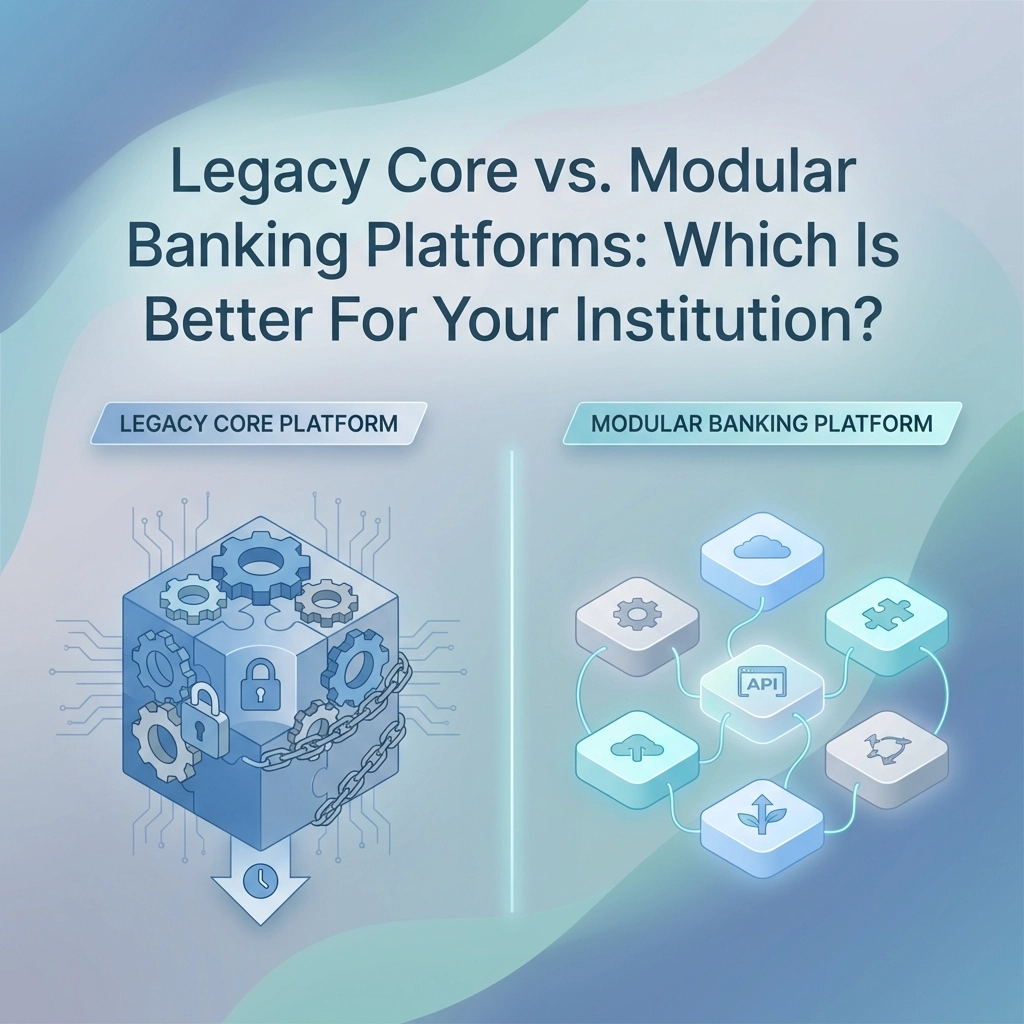
Legacy Core Vs Modular Banking Platforms: Which Is Better For Your Institution?
For many financial institutions, the question is no longer whether banking technology needs to evolve, but how that modernization should take place. Legacy core banking systems have supported financial institutions reliably for decades. However, changing customer expectations, new integration requirements and increasing operational complexity can make older technology more difficult and costly to adapt. At…
-
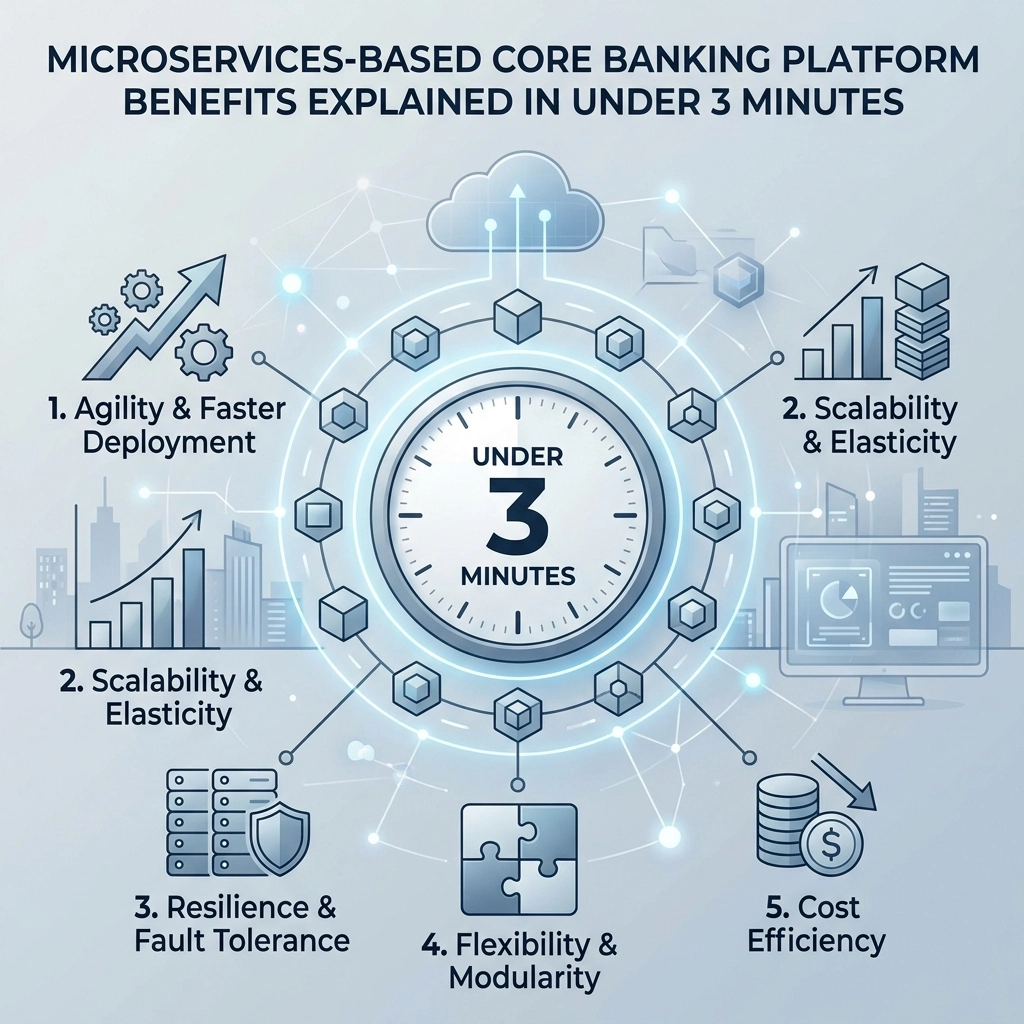
Microservices-Based Core Banking Platform Benefits Explained in Under 3 Minutes
Banking technology has changed significantly from the days when every function of a financial institution depended on one large, tightly connected core system. For smaller and growing financial institutions in particular, flexibility matters. New services need to be introduced, integrations added, operational requirements adjusted, and technology expanded without unnecessarily disrupting the entire banking environment. This…
-
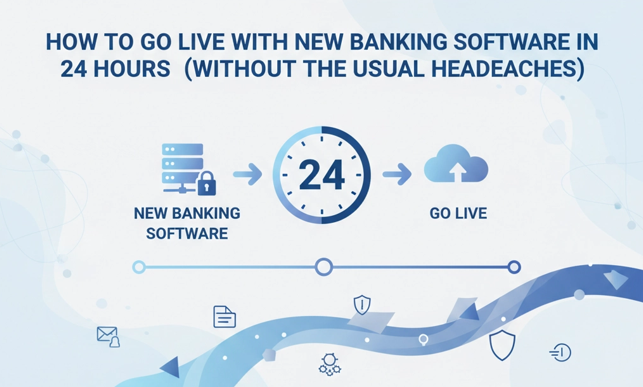
How to Go Live with New Banking Software in 24 Hours (Without the Usual Headaches)
Going live with a new banking software in 24 hours sounds impossible: and frankly, it almost is. Traditional banking software deployments take weeks or months, involving extensive testing, compliance reviews, and phased rollouts. But in today’s fast-paced financial landscape, sometimes you need to move at lightning speed. Whether you’re responding to a critical system failure,…
-

The Ultimate Guide to Cost-Effective Banking Software: Everything Small Financial Institutions Need to Succeed
Small financial institutions face an increasingly complex challenge: delivering sophisticated banking services while operating with limited budgets and lean teams. Unlike major banks with extensive IT departments and substantial technology budgets, community financial institutions must carefully balance functionality, cost, and operational efficiency. “The reality is that small financial institutions can’t afford to make expensive software…