

Launching a new financial service involves far more than choosing banking technology.
Licensing, compliance, staffing, integrations, customer acquisition, liquidity, infrastructure and operational planning all require time and capital. When the banking platform itself also requires a lengthy and complex implementation, getting a new project to market can become even more challenging.
Modern banking software, particularly when built around a configurable and modular approach, can provide a different path.
Rather than requiring an institution to implement every possible capability from the beginning, modular banking software allows functionality to be configured around current requirements and expanded as the operation evolves.
The Microservices Revolution: Why “Modular” Wins
The traditional approach to core banking was monolithic, meaning every function: From the general ledger to the customer login, it was part of a single, massive codebase. If you wanted to update your compliance module, you had to redeploy the entire system, risking downtime and unforeseen bugs across unrelated departments.
A microservices-based core banking platform operates differently. It breaks the system down into independent “modules” that communicate through APIs.
Key microservices-based core banking platform benefits:
- Independent Scaling: You can scale your payment processing module without having to increase resources for your reporting module.
- Zero Downtime Updates: Using techniques like “hot-swapping,” developers can update a single service during business hours without interrupting the customer experience.
- Localized Risk: A bug in the currency exchange module won’t bring down the entire ledger, providing a much smaller “blast radius” for technical issues.
Rapid Deployment for eWallets and Specialized Firms
For niche financial services, the flexibility of modularity is a game-changer. Consider the rise of eWallets. Competition is fierce, and being first to market in a specific region or with a specific feature (like cross-border crypto-to-fiat transfers) is everything.
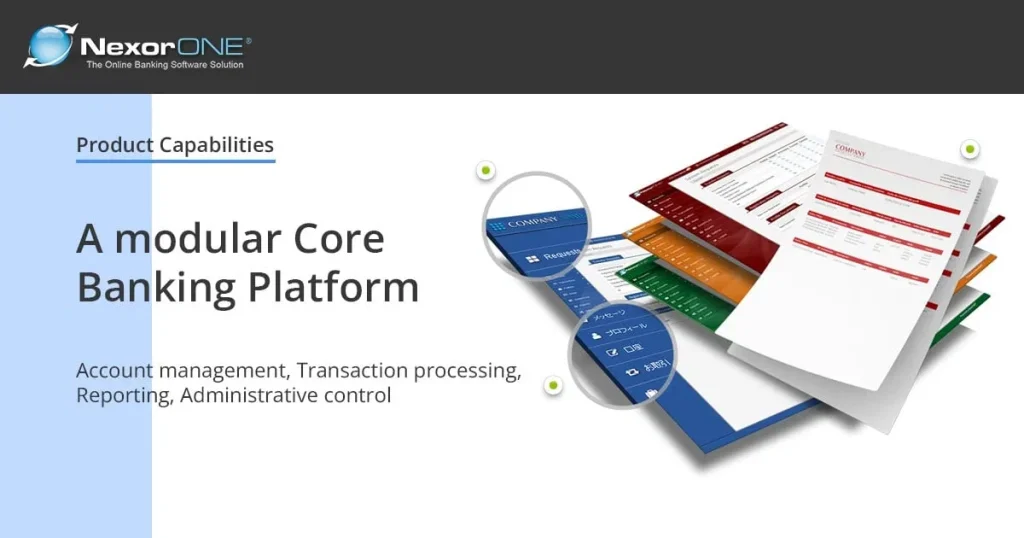
Utilizing rapid deployment core banking software for eWallets means you don’t have to build the plumbing from scratch. Platforms like NexorONE offer modular banking software with pre-configured modules for transaction management, card issuance, and multi-currency support. Since 2005, Banking.Systems has supported more than 500 customers worldwide with banking technology designed for scalable digital operations.
Instead of spending six months coding a ledger, an eWallet provider can focus on their product capabilities and user acquisition, knowing the core infrastructure is ready to “plug and play.”
The 24-Hour Digital Bank: Configuration vs. Coding
The question we often hear is: How can a digital banking operational environment be made available within 24 hours? While obtaining a full banking license in 24 hours is legally impossible, an operational environment available within 24 hours is realistic with the right modular stack. Branding, configuration, integrations, and launch readiness are scoped separately based on project requirements.
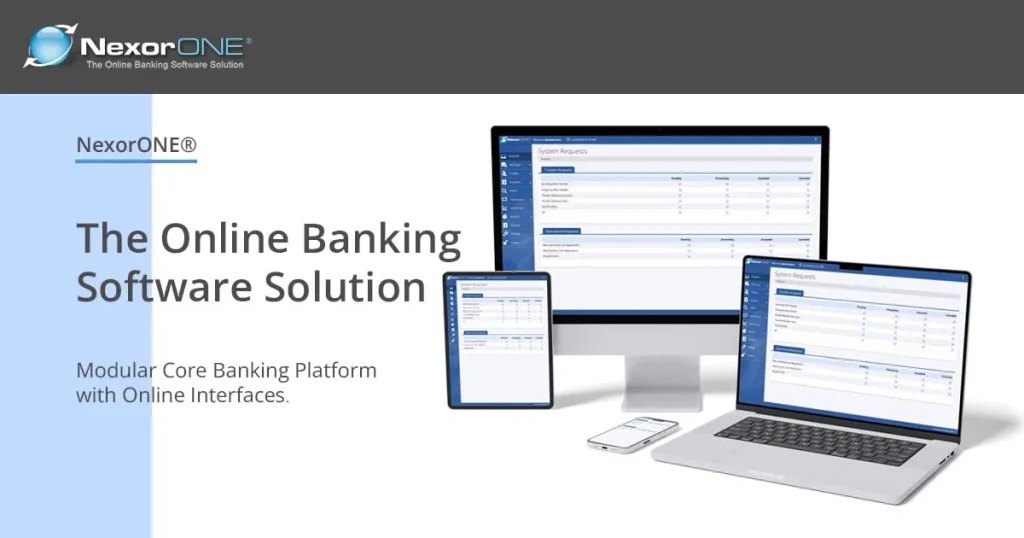
The shift is from coding to configuration. In a legacy environment, adding a new savings product requires developers to write new logic and test dependencies. In a modular banking software for quick market entry, adding a product is as simple as adjusting parameters in an administrative dashboard:
- Select the Module: Choose the account type (Current, Savings, Escrow).
- Set the Rules: Define interest rates, daily limits, and fee structures.
- Toggle Compliance: Connect to pre-integrated KYC/AML providers.
- Go Live: Push the configuration to the production environment.
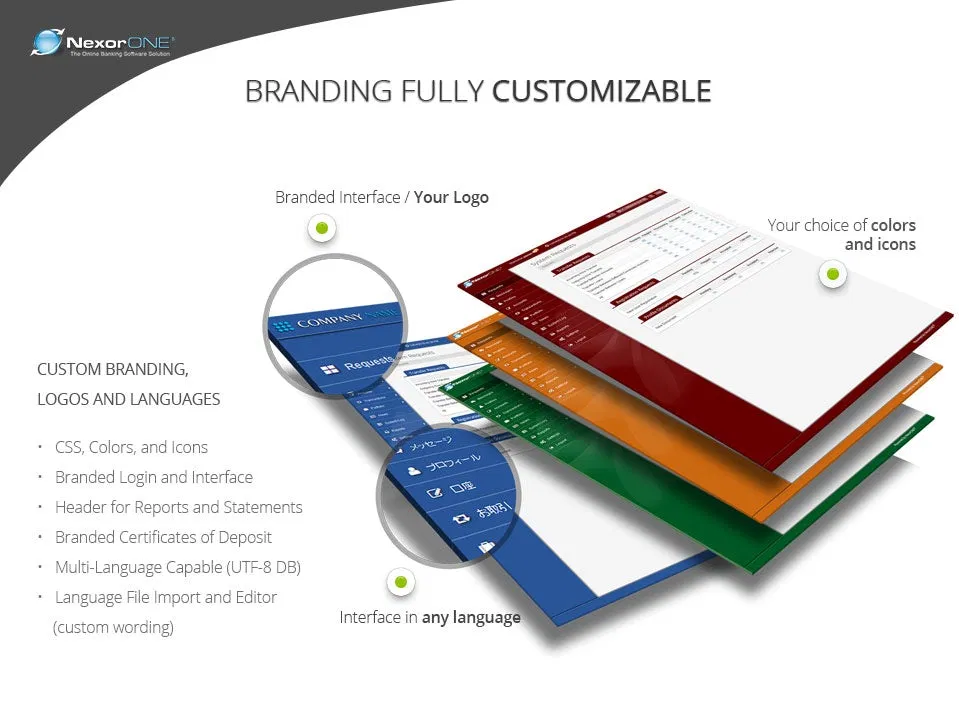
By using modular deployment and hosting solutions, the technical “heavy lifting” is already done. The institution simply skins the interface and sets the business rules. NexorONE pricing should be referenced from the official source at NexorONE.com, including a deployed Core Platform from $18,000 and hosting from $300/month.

Future-Proofing with Compliance-as-a-Service
One of the biggest hurdles to a fast launch is regulatory compliance. Modular platforms treat security and compliance as another “layer” rather than a hard-coded constraint.
As regulations change: such as new AML directives or local tax reporting requirements: a modular banking software allows you to swap out or update just that specific compliance module. This agility helps institutions adapt to changing requirements without requiring a total system overhaul, just a configuration update.
Insights from the Top
The philosophy behind this speed isn’t just about technical efficiency; it’s about business empowerment. Remy Swaab, CEO of Banking.Systems, highlights the strategic shift:
> “In the modern financial landscape, speed is no longer a luxury: it’s a survival trait. We designed NexorONE as a modular ecosystem specifically to dismantle the bureaucratic and technical roadblocks that keep visionaries from entering the market. With the right architecture, a deployment that once took a year can now be a matter of days.”
Conclusion: The Competitive Edge of Speed
The secret to cutting launch times isn’t about working harder or hiring more developers; it’s about choosing an architecture that doesn’t fight against you. Modular banking allows financial institutions to be lean, iterative, and responsive.
By leveraging the benefits of a microservices-based core banking platform, companies can stop worrying about their “plumbing” and start focusing on what truly matters: providing exceptional value to their customers. Whether you are launching an eWallet in Southeast Asia or a private bank in Europe, modularity is the key that unlocks the door to a rapid, successful market entry.
Leave a Reply